Best Automation Workflows for Lead Nurture Campaigns: The Agency Playbook
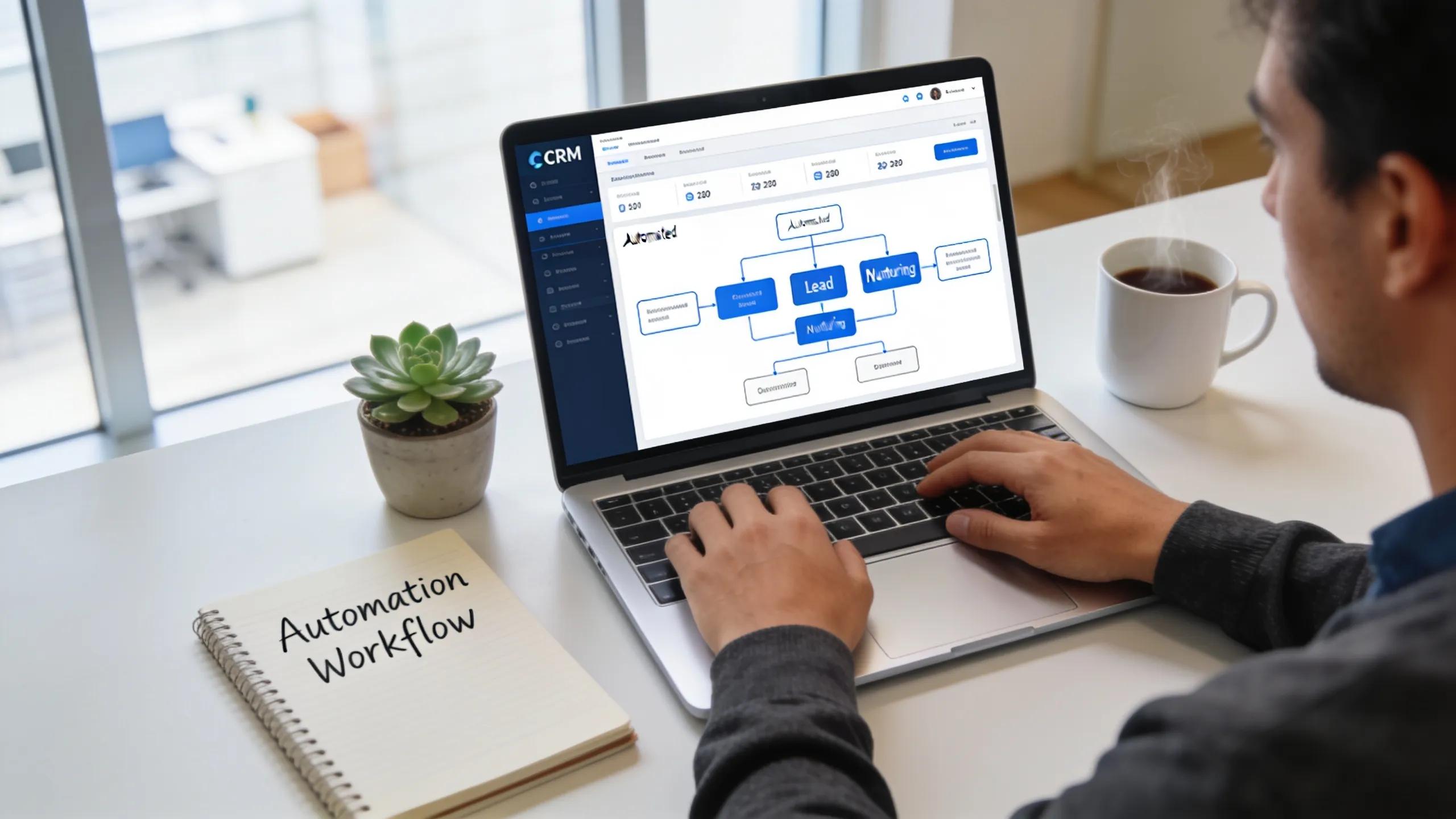
By Rajesh Kanumury, iMarketingGenie
In the realm of digital marketing, effective lead nurture campaigns are essential for maintaining customer relationships and converting leads into loyal clients. This article delves into the best automation workflows that leverage artificial intelligence (AI) to enhance these campaigns, primarily targeting agencies looking to optimize their marketing strategies. Readers will gain insights into key automation strategies, tools used, and performance metrics that can drive success in lead nurturing. Many businesses struggle with personalizing engagement and tracking the effectiveness of their marketing efforts; these advanced workflows offer tailored solutions to improve lead interaction and conversion rates. The discussion will cover key strategies, essential tools, the metrics for success, and the role of AI in enhancing lead nurturing.
Key Strategies
To create impactful lead nurture campaigns, several key strategies should be implemented. These strategies can help agencies streamline their workflows and foster deeper connections with potential clients:
- List Building and Segmentation: Segmenting your audience allows for targeted messaging that resonates with specific groups.
- Automated Workflow Design: Establishing flows that automatically engage leads based on their interactions saves time and improves responsiveness.
- Personalization: Tailoring content to individual preferences enhances engagement and connection.
- Continuous A/B Testing: Regularly testing different approaches helps identify the most effective tactics and optimizes the workflow.
- Performance Optimization: Monitoring and refining workflows on an ongoing basis ensures maximum effectiveness.
The shift towards automated workflows plays a crucial role in enhancing these strategies, allowing for more efficient handling of leads.
iMarketingGenie operates as a digital marketing agency specialized in delivering AI-powered automation workflows primarily focused on lead nurture campaigns for agencies and businesses. Their core offerings prominently include marketing automation workflows leveraging advanced AI to streamline and personalize lead engagement processes.
Tools
Various tools facilitate the implementation of effective marketing automation workflows. Here's an overview of some essential tools to consider:
- Email Marketing Platforms: These are necessary for managing email campaigns and ensuring effective communication with leads.
- AI-Powered Analytics: Such tools analyze customer behavior and interactions, providing insights that inform marketing strategies.
- Performance Reporting Tools: These tools help track the success of campaigns through key performance indicators (KPIs) and analytics.
Utilizing the right tools is pivotal for creating automated workflows that align with business objectives and drive lead engagement.
Performance Metrics
Measuring the success of lead nurture campaigns involves tracking specific performance metrics. Agencies should focus on the following key metrics:
- Open Rates: Indicates how many recipients opened emails, reflecting engagement effectiveness.
- Click-Through Rates (CTR): Measures the percentage of clicks on links within emails, providing insight into the content's effectiveness.
- Conversion Rates: Tracks the rate at which leads take desired actions, such as purchasing or signing up for services.
- Revenue Attribution: Assigns revenue to specific campaigns, revealing their financial impact.
- List Growth Rate: Monitors the growth of the email list to ensure the nurturing efforts reach a broader audience.
Analyzing these metrics allows agencies to evaluate their workflows critically and make necessary adjustments to improve overall performance.
Different performance metrics provide distinct insights into lead nurturing efforts, helping businesses refine their strategies for maximum impact and efficiency.
| Metric | Description | Importance |
|---|---|---|
| Open Rates | Percentage of emails opened by recipients | Indicates overall interest and engagement |
| Click-Through Rates | Clicks on links in emails compared to total opens | Reflects the effectiveness of email content |
| Conversion Rates | Ratio of leads completing desired actions | Measures the ultimate success of campaigns |
This table illustrates the significance of different metrics in evaluating the success of lead nurture workflows.
What Are AI-Powered Automated Lead Nurture Sequences?
AI-powered automated lead nurture sequences utilize technology to streamline and enhance interactions with potential customers. These sequences involve several components, including automated workflows, behavioral triggers, and detailed performance reporting, to ensure that leads receive timely and intentional communication.
Structure
An effective AI-powered lead nurture sequence generally comprises the following elements:
- Welcome Series: This introduces new subscribers to the brand and sets the tone for future communication.
- Promotional Campaigns: Automated messages that present offers or discounts to engage potential customers.
- Abandoned Cart Flows: Follow-up emails that target leads who have shown interest but did not complete a purchase.
- Re-Engagement Campaigns: Strategies designed to reconnect with leads who have become inactive or unresponsive.
These structured workflows create a comprehensive approach to managing lead engagement effectively.
Benefits
Integrating AI into lead nurturing processes provides numerous benefits, such as:
- Increased Revenue: Automation increases conversion potential by ensuring leads receive relevant offers at the right time.
- Efficiency: Automated workflows reduce manual efforts, allowing marketing teams to focus on strategy development.
- Personalization: AI enables tailored communications that resonate more deeply with individual leads.
- Continuous Improvement: The use of analytics allows for ongoing adjustments based on performance data to enhance effectiveness.
Case studies have shown that companies adopting AI-driven workflows have experienced substantial improvements in customer engagement and conversion rates.
The integration of AI agents can further optimize these lead generation activities, as explored by recent research.
AI in Lead Generation: Optimizing Activities with AI Agents The core value of the thesis is AI-powered EPC, by applying which, the thesis studies lead generation activities and how they can be optimized by adding an AI agent or a AI-powered The Role of Artificial Intelligence in Automating Lead Generation, 2025
Implementation Strategies
Implementing automated workflows involves a systematic approach:
- Audit & List Health Check: Evaluating the current list to ensure it contains engaged contacts.
- Strategy & Workflow Design: Planning the workflow structure based on audience segments and desired outcomes.
- Copywriting & Design: Creating engaging content and designing visually appealing messages.
- Launch & Optimize: Deploying the workflow and continuously monitoring performance to make adjustments as necessary.
This step-by-step guide ensures that agencies develop effective lead nurture sequences that can adapt to changing customer behaviors and preferences.
How Does AI Enhance Lead Nurturing Automation?
AI significantly boosts lead nurturing automation through various mechanisms aimed at understanding and responding to audience behaviors. AI tools provide advanced solutions by analyzing large volumes of data to enhance customer interactions.
With AI, agencies can leverage features such as:
- Audience Intelligence: Understanding customer demographics and behavior patterns, allowing for more targeted marketing.
- Dynamic Creative Optimization: AI automatically adjusts creative assets based on performance metrics to maximize engagement.
- Automated Bid Management: This tool adjusts bidding strategies in real-time for better ad performance.
- Continuous Learning and Performance Reporting: AI systems learn from interactions, optimizing processes over time.
The infusion of AI into lead nurturing offers unprecedented opportunities to refine and tailor approaches based on customer insights.
Which Key Components Define Effective Automated Nurture Campaigns?
Successful automated nurture campaigns encompass several critical components that contribute to their effectiveness:
- List Building and Segmentation: Ensuring that messages reach the right people at the right time.
- Automated Workflow Design: Structuring workflows based on lead behavior and interactions.
- Personalized Sequences: Sending targeted content that speaks directly to audience needs.
- Continuous A/B Testing: Experimenting with different messages and adjusting strategies based on results.
- Performance Optimization: Regularly reviewing and refining workflows to enhance effectiveness further.
Each of these components plays an essential role in the overall success of lead nurture campaigns, ensuring they meet marketing goals and engage audiences effectively.
Which Multi-Channel Automation Workflows Deliver Optimal Lead Engagement?

Multi-channel automation workflows have become essential for optimizing lead engagement, as they provide a broader approach to interacting with customers. Agencies that utilize these workflows can leverage various platforms to connect with leads.
What Are the Advantages of Multi-Channel vs Single-Channel Lead Automation?
The benefits of adopting a multi-channel approach include:
- Broader Reach: Engaging leads at various touchpoints increases visibility and interaction.
- Enhanced Personalization: It allows for a more tailored experience as different channels cater to diverse audience preferences.
- Continuous Engagement: Multi-channel strategies maintain lead interest over time, reducing the risk of losing potential customers.
Agencies can use these strategies to create powerful lead engagement frameworks that capitalize on customer interactions across channels.
Further enhancing these multi-channel strategies, AI for hyper-personalization in omnichannel marketing automation offers a conceptual framework to address real-time personalized interactions.
AI for Hyper-Personalization in Omnichannel Marketing Automation Marketing automation platforms often struggle to deliver context-aware, personalized interactions in real-time. This paper proposes a novel conceptual framework for a next-generation omnichannel marketing automation platform to address this gap. Three different architectures are proposed; first, a recommendation engine based on product-customer relationships with temporal and price sensitivity modeling. The second encompasses a dynamic channel optimization module that employs Reinforcement Learning (RL) to determine the most effective communication channel for each user in real-time, and the third is a generation module that uses a Retrieval-Augmented Generation (RAG) architecture with Large Language Models (LLMs) to propose relevant and executable marketing actions. AI-Driven Hyper-Personalization in Omnichannel Marketing Automation: A Conceptual Framework, 2025
How Do Industry-Specific Automation Templates Accelerate Lead Nurture Success?
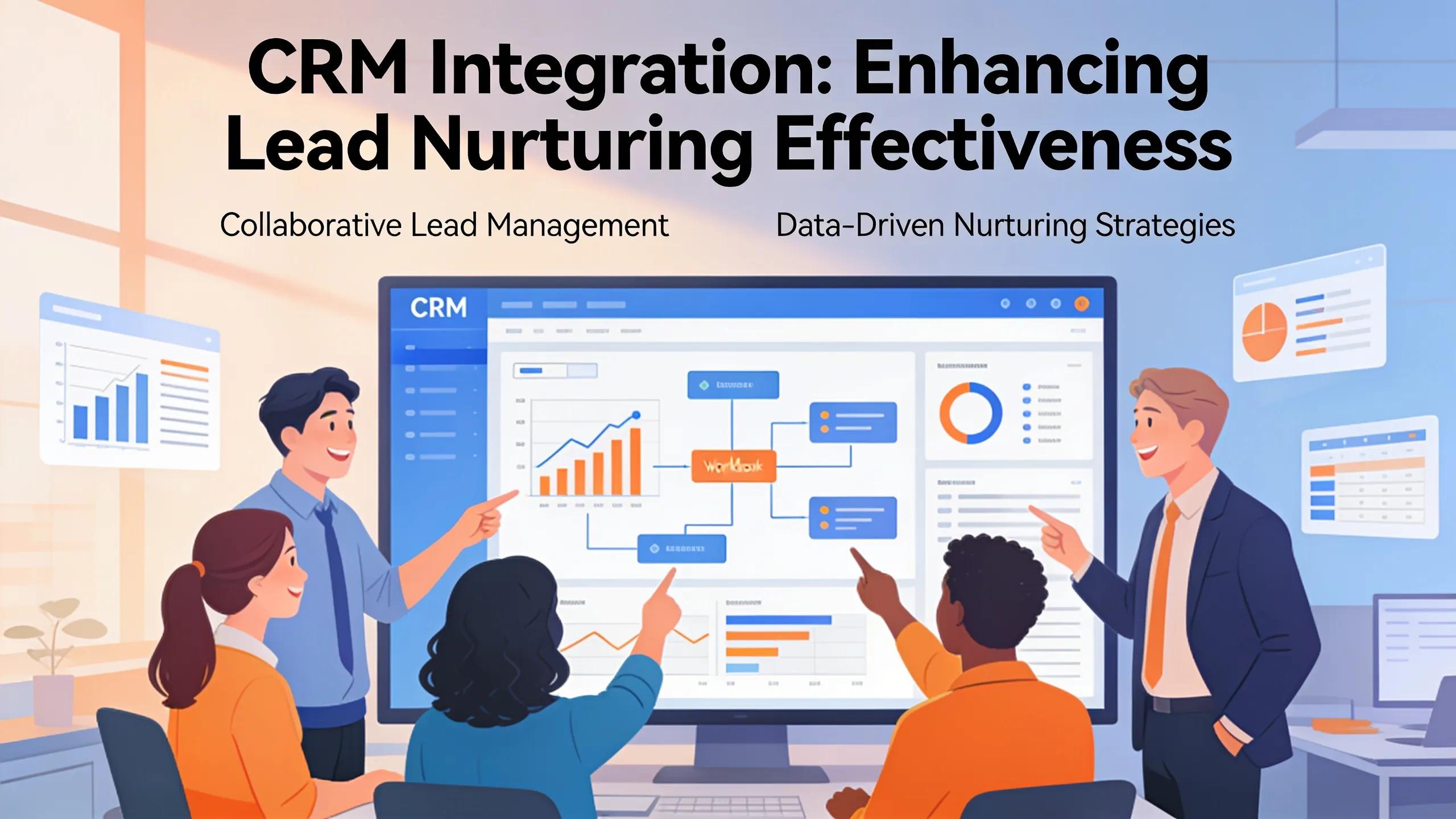
Industry-specific automation templates help tailor campaigns to meet unique market needs effectively. These templates offer guidelines and pre-designed workflows that can be adapted for specific sectors, enhancing the efficiency and speed of campaign implementation.
By leveraging these templates, agencies can swiftly set up campaigns that resonate with particular industries, providing essential customization while saving time in design and strategy development.
What Are Standard AI Workflow Adaptations for B2B SaaS Lead Nurture?
For B2B SaaS companies, specific workflow adaptations ensure that lead nurturing aligns with the unique aspects of the software industry. These adaptations may include:
- Incorporating trial offers to attract leads effectively.
- Utilizing onboarding sequences to facilitate smooth transitions for new clients.
- Implementing feedback loops to gather insights and improve service offerings.
These tailored strategies enhance the likelihood of higher conversions by addressing the specific needs of B2B customers.
How Do E-commerce and Healthcare Sectors Leverage AI Marketing Automation Tools?
Both e-commerce and healthcare sectors utilize AI marketing automation tools to enhance lead nurturing:
- In e-commerce, automation tools streamline customer engagement through personalized marketing messages based on browsing behavior and transaction history.
- In healthcare, AI tools aid in patient follow-ups and communication about services, ensuring that prospective patients receive timely and informative updates regarding their healthcare needs.
Understanding these applications helps illustrate the flexibility and potential of AI in optimizing marketing efforts across various industries.
Which Metrics and KPIs Are Crucial for Measuring Lead Nurture Workflow Performance?
Efficiently tracking the success of lead nurture campaigns requires a robust understanding of essential metrics and KPIs. Critical measures include:
- Lead Scoring: Evaluating leads based on engagement levels and readiness to convert.
- Engagement Rate: Assessing how well leads respond to various campaigns over time.
- Sales Cycle Length: Tracking the average duration from the first contact to closing a deal.
Each of these KPIs provides insights into campaign effectiveness and informs opportunities for strategic improvements.
What Conversion and Engagement Metrics Best Reflect AI Automation Impact?
Understanding conversion and engagement metrics provides agencies clarity on how AI marketing automation shapes performance. Essential metrics to consider include:
- Sales Conversions: The percentage of lead interactions that result in sales.
- Cost per Acquisition (CPA): The average cost incurred for obtaining a new customer through automated campaigns.
- Customer Lifetime Value (CLV): A projection of the total revenue generated from a customer during their relationship with the business.
Evaluating these metrics helps agencies gauge the impact of their AI-driven strategies.
How Can Agencies Use Data to Continuously Improve Automation Workflows?
Data-driven strategies are crucial for the continuous improvement of automation workflows. Agencies can adopt various practices to enhance their efforts:
- Data-Driven Insights: Analyzing large datasets to identify trends and inform strategies.
- A/B Testing: Regularly testing different approaches helps refine messaging and adjust tactics based on performance.
- Segmentation and Personalization: Utilizing data to create targeted messages that resonate with specific audiences.
- Performance Monitoring: Continuously tracking workflow performance ensures timely adjustments and optimization.
Adopting these data-centric practices enables agencies to remain agile, fine-tuning their workflows to adapt to evolving market needs and consumer behaviors.
This continuous improvement can be further enhanced by leveraging reinforcement learning for self-optimizing CRM platforms that adapt to evolving business objectives and multi-channel engagement.
Reinforcement Learning for Self-Optimizing CRM Platforms multi-channel engagement, and continuously evolving business objectives. In such settings, traditional rule-based automation features and learning engagement policies over time, this Reinforcement learning for self-optimizing customer relationship management platforms: From contextual bandits to deep sequential decision systems, 2025